

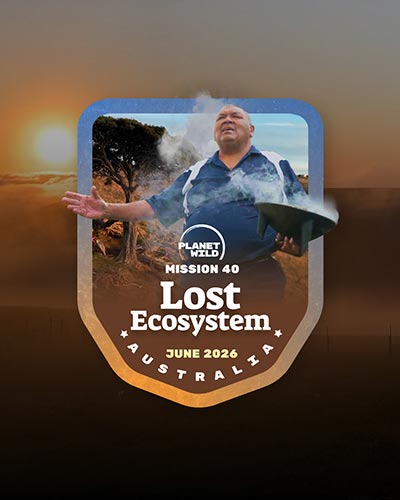
For tens of thousands of years, First Nations peoples across Australia developed deep knowledge of their environment, learning how to work with the land and care for the plants and animals that depended on it. One traditional practice was firestick farming — the careful use of controlled burns guided by an understanding of wind, humidity, weather and the condition of the land.
Rather than burning vast areas indiscriminately, these carefully managed fires helped create a patchwork of habitats at different stages of recovery. This varied landscape, known as a mosaic habitat, offered a diversity of food and shelter for wildlife while supporting healthy plant communities and the people who lived there.
But colonization brought devastating changes. First Nations communities were forcibly displaced, their traditional land management practices disrupted, and their connections to Country attacked. Vast areas were cleared for agriculture, while native wildlife and plant species faced mounting pressure. In many places, the intricate balance between people, plants, animals and the land was lost.
Today, restoring these ecosystems means more than planting trees. It means recognizing the knowledge that sustained them for generations and working alongside the people who have long understood how to care for them.
The Mission: Restoring Country Through Indigenous Knowledge
In South Australia, the Forktree Project is working to bring damaged landscapes back to life. Guided by First Nations communities and led by climate scientist and explorer Tim Jarvis, the project aims to restore the area's native vegetation and rebuild a healthier, more resilient ecosystem.
The work began by listening. Tim met with First Nations Elders to learn which plants had historically grown in the area and how these species could be brought back. This knowledge is helping guide restoration efforts, ensuring that the work reflects the landscape's ecological and cultural heritage.
At the heart of the project is a rare seed orchard dedicated to protecting and propagating critically endangered native plants. Specialist nurseries will grow these plants before they are returned to the wild, helping safeguard species that might otherwise be lost.
And the ambition reaches beyond Forktree itself. As a pilot project, the lessons learned here will be shared with Indigenous rangers, potentially helping support the restoration of thousands of hectares elsewhere.
The Planet Wild community is contributing to this effort in two important ways.
First, funding will help protect 15 rare and culturally significant plant species in the seed orchard. The goal is to produce 10,000 saplings of each species, creating a total of 150,000 new plants.
Second, the project will restore 10 hectares of land by planting 10,000 native trees. These trees will be carefully planted and monitored, giving them a better chance of surviving and becoming part of a thriving ecosystem for generations to come.
The ultimate goal is not simply to make the land look green again. It is to restore a living, interconnected landscape - one where native plants can flourish, wildlife can find food and shelter, and the land can once again function as a healthy ecosystem.
There is something deeply meaningful about this kind of restoration. It brings together modern conservation, scientific understanding and knowledge passed down through countless generations. It also reminds us that caring for the natural world is not a new idea. Many of the answers we need already exist in the wisdom of the people who have cared for these landscapes for millennia.
By helping restore these plants and habitats, this mission is nurturing more than new growth. It is supporting the recovery of an ecosystem, honouring cultural knowledge and helping lay the groundwork for a more hopeful future for Australia's natural world.
Planet Wild Total invested: €102,200
Immediate impact:
- 150,000 saplings grown for future habitat recovery
- 10 hectares of former farmland under restoration
Ideal outcome:
- Former farmland transformed into a thriving ecosystem
- Restoration model scaled across larger areas
- Native wildlife returns to restored habitat
Update Videos:
Impact Update Year One
Scheduled for 2027