

Walking into an art gallery or scrolling through online collections can sometimes feel intimidating. Terms like 'abstract realism', 'composition', or 'chiaroscuro' can make even the most enthusiastic nature lover hesitate. But you don’t need to understand every art term to connect deeply with wildlife paintings. What matters most is the story the artwork tells and the emotion it evokes.
1. Start with What You Feel
Forget about rules or definitions. The first connection you have with a painting is emotional.
Does it make your heart skip a beat? Do you feel awe, curiosity, or a quiet sense of peace? These reactions are powerful signals that the artwork resonates with you.
When viewing wildlife art, pay attention to the emotions it sparks. A lion cub’s peaceful gaze, a herd of zebras in motion, or a hidden leopard ready to pounce can all stir feelings that connect you to the wild.
Let your instinct guide you, because your response matters more than any critique or technical term.
2. Look for the Story Behind the Paint
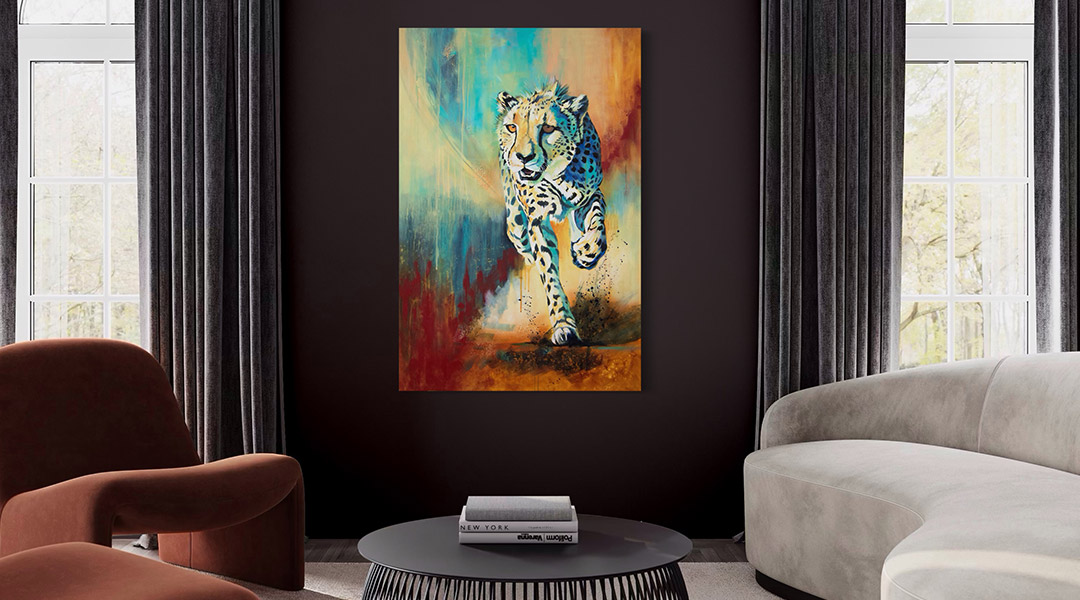
Every wildlife painting tells a story. It could be the fleeting moment of a cheetah sprinting across golden grass, or the tender connection between a mother elephant and her calf.
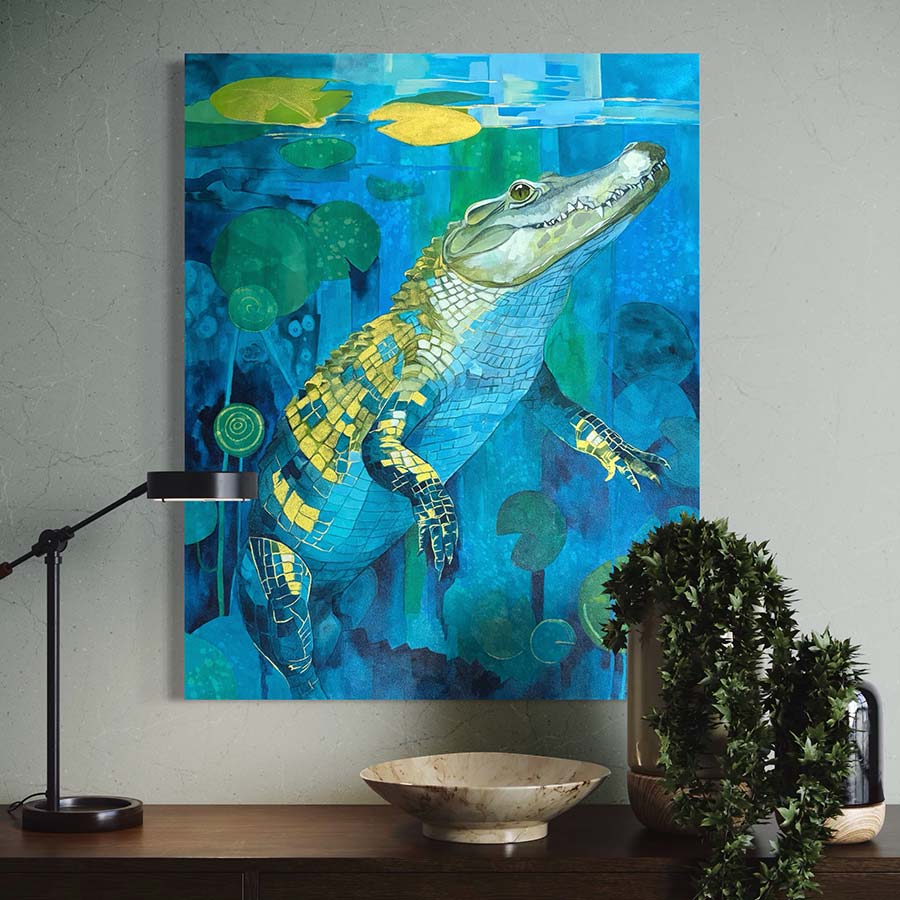
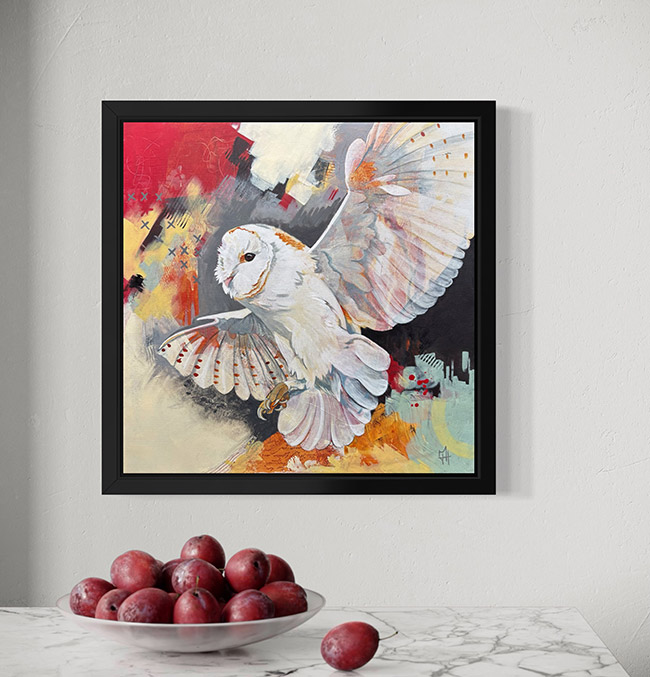
Even abstract realism can capture the essence of a moment in the wild, translating it through colour, movement, and texture.
Ask yourself: What is this painting trying to share? What moment of nature does it capture? Engaging with the story allows you to connect on a deeper level, beyond the surface image.
3. Observe the Details, Not the Terms
You don’t need to understand 'composition' or 'perspective' to appreciate how a painting draws you in. Look at the layers of colour, the flow of lines, the contrasts that create drama or harmony. Notice how light and shadow evoke emotion. These are the elements that bring the wild to life on canvas.
By observing details with curiosity, you can experience the painting in your own terms, without needing to speak “art jargon.”
4. Make It Personal
Connection comes when a painting resonates with your experiences, values, or memories. Perhaps a painting reminds you of a safari, a childhood fascination with animals, or your commitment to wildlife conservation. Let your personal context guide your appreciation. It’s not about labels, it’s about meaning.
Ask yourself: Why does this piece speak to me? What does it make me feel? Your answers are valid, and they are the true measure of a connection.
5. Let Your Curiosity Lead
Finally, let yourself explore freely. Move closer to see brushstrokes, step back to observe the whole scene, or imagine the story beyond the canvas. Every wildlife painting is an invitation to wonder, to pause, and to experience a moment in nature through the artist’s eyes.
You don’t need a glossary, an art degree, or a guidebook. You just need curiosity, openness, and a willingness to be moved.
Conclusion
Connecting with wildlife art doesn’t require expertise - it requires presence. Focus on emotion, stories, and personal resonance. Let the painting speak to you, and trust your instincts. By removing the jargon, you create space for authentic connection with the wild world, one brushstroke at a time.