

Bringing a new piece of wildlife art into your home is an exciting moment. From the anticipation of receiving it, to unwrapping it for the first time, and finally seeing it on your wall. It’s a journey worth celebrating.
Questions about framing, shipping, and installation can turn excitement into hesitation. But, it doesn’t have to be complicated. With the right guidance, you can enjoy a smooth process from studio to wall. Here’s a simple, step-by-step guide.
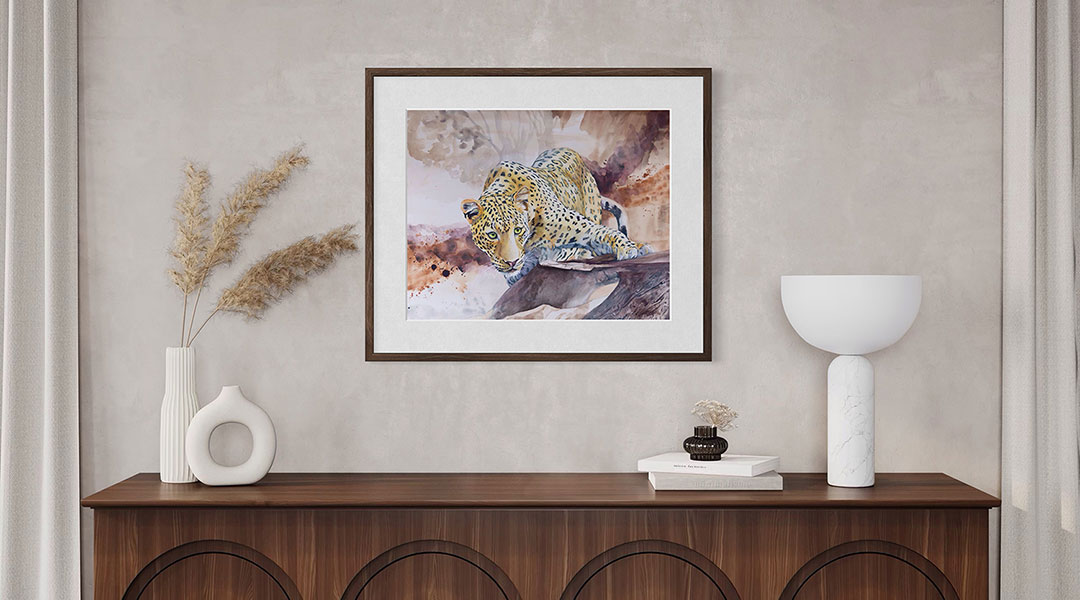
1. Framing: Enhancing Without Distracting
If you have bought artwork that is ready to hang, you can skip this point. However, you may have bought a piece that requires framing, or you may want to add a frame even if it is not required.
The right frame can elevate your wildlife painting, helping it blend seamlessly into your home while highlighting the art itself.
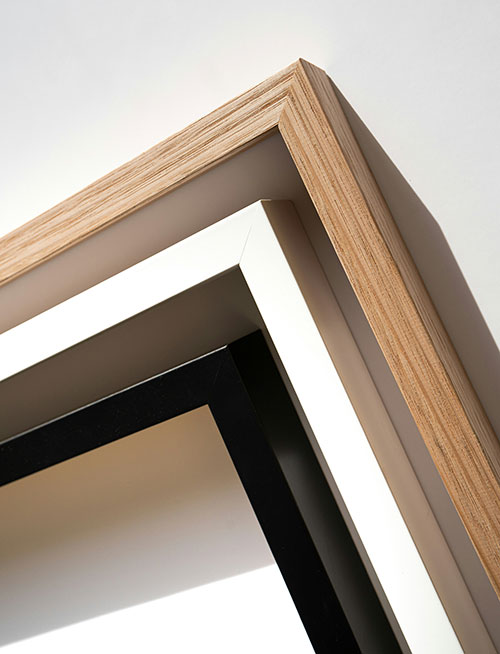
- Choose Complementary Colours: Neutral frames (black, white, natural wood) often let bold colours and textures in wildlife art shine.
- Consider the Space: A sleek, minimal frame suits modern interiors, while ornate frames add warmth and character to classic settings.
- Protect Your Investment: UV-protective glass or acrylic helps preserve colours over time, especially in bright rooms.
Tip: Think of the frame as a supporting actor – it enhances, but it should never steal the spotlight from the art.
2. Shipping: What to Expect
Collectors often worry about whether their artwork will arrive safely. Professional artists and galleries know this, and they invest in secure shipping methods.
- Protective Packaging: Stretched canvas or framed works are wrapped in multiple layers (paper, bubble wrap, and shipped in sturdy boxes).
- Tracking and Insurance: Reputable shipping partners provide both, so you can follow your artwork’s journey and feel secure.
- International Deliveries: If you’re buying across borders, expect to be charged additional fees for duties, value added tax or other similar charges.
Peace of mind comes from knowing that shipping is treated as seriously as the artwork itself.
3. Hanging: The Final Touch
Hanging your artwork properly not only keeps it secure but ensures it looks its best in your space.
- Height Matters: The centre of the artwork should sit around eye level (roughly 145-150 cm from the floor).
- Lighting Enhances: Natural light is beautiful, but avoid direct sunlight. Consider soft spotlights or adjustable wall lamps to highlight texture.
- Spacing Counts: Give your artwork room to breathe. Large wildlife paintings often look best as a statement piece on their own wall.
Tip: Use professional hanging hardware that is secure, level, and built to last.
4. Enjoy the Experience
Remember, framing, shipping, and hanging are all part of the collector’s journey. They’re not hurdles; they’re milestones that bring you closer to enjoying the art every day.
When you look at your wildlife painting on the wall, knowing it’s beautifully framed, safely delivered, and perfectly placed, you’ll feel the reward of investing not just in art, but in an experience that transforms your home.
Conclusion
Collecting art should be joyful, not stressful. With a little preparation and support, you can make the practical steps simple, and focus on what really matters: the beauty, presence, and story that wildlife art brings into your space.