

For nature lovers, choosing a piece of wildlife art is about more than aesthetics. It’s about a connection and an acknowledgment of the wild, untamed world that inspires us, moves us, and reminds us of our responsibility to protect it.
But did you know that purchasing wildlife art can also be an act of conservation? Every original painting and fine art print carries the potential to support the protection of species, habitats, and ecosystems. Here’s how owning a piece of wildlife art can make a tangible difference in the natural world you love.

1. Art as a Voice for the Wild
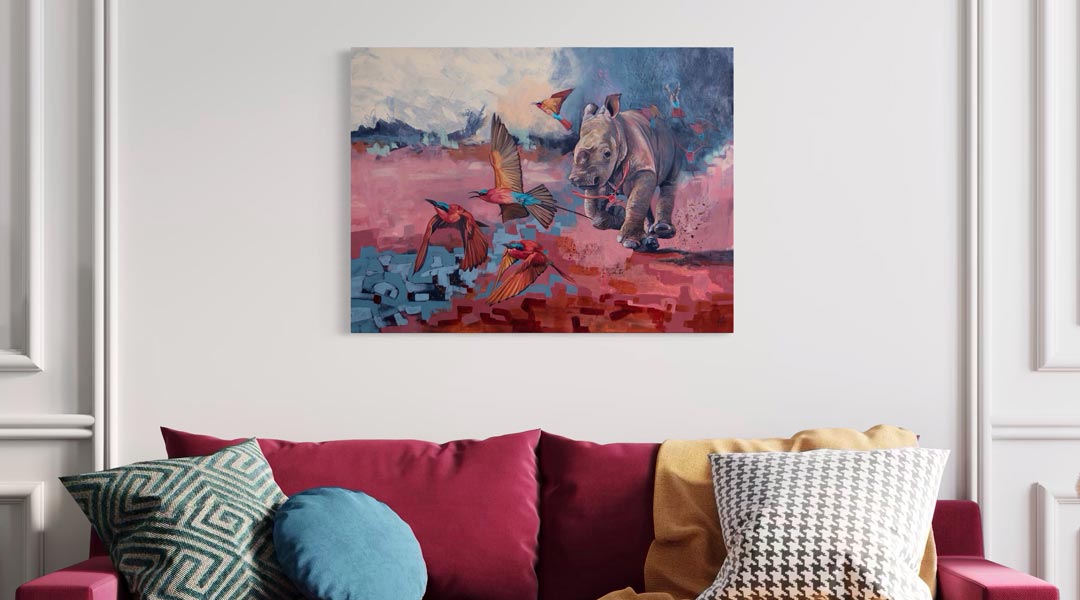
Wildlife art tells a story; sometimes of beauty, sometimes of vulnerability. By choosing to bring a wild animal into your home through art, you’re elevating its story.
Lions, elephants, leopards, and birds are no longer distant creatures in documentaries or photographs. They become part of your daily life, part of your awareness.
This emotional connection often translates into action. Collectors who feel connected to the animals depicted in their artwork are more likely to support conservation initiatives, spread awareness, or participate in wildlife protection programs. Simply put, art creates advocates.
2. Artists Supporting Conservation
Many wildlife artists, including myself, are deeply committed to conservation.
By sourcing eco-friendly materials, using sustainable practices, and donating a portion of proceeds to wildlife charities, each painting becomes a small but meaningful contribution to protecting our planet’s creatures.
When you purchase wildlife art from a conscientious artist:
- You support responsible artistic practices that respect both the environment and local communities.
- You contribute directly or indirectly to conservation projects, whether it’s anti-poaching initiatives, habitat preservation, or wildlife education.
- You become part of a network of people who care, amplifying the impact far beyond the canvas.
In this way, your purchase goes beyond decoration and becomes a form of stewardship.
3. The Power of Awareness
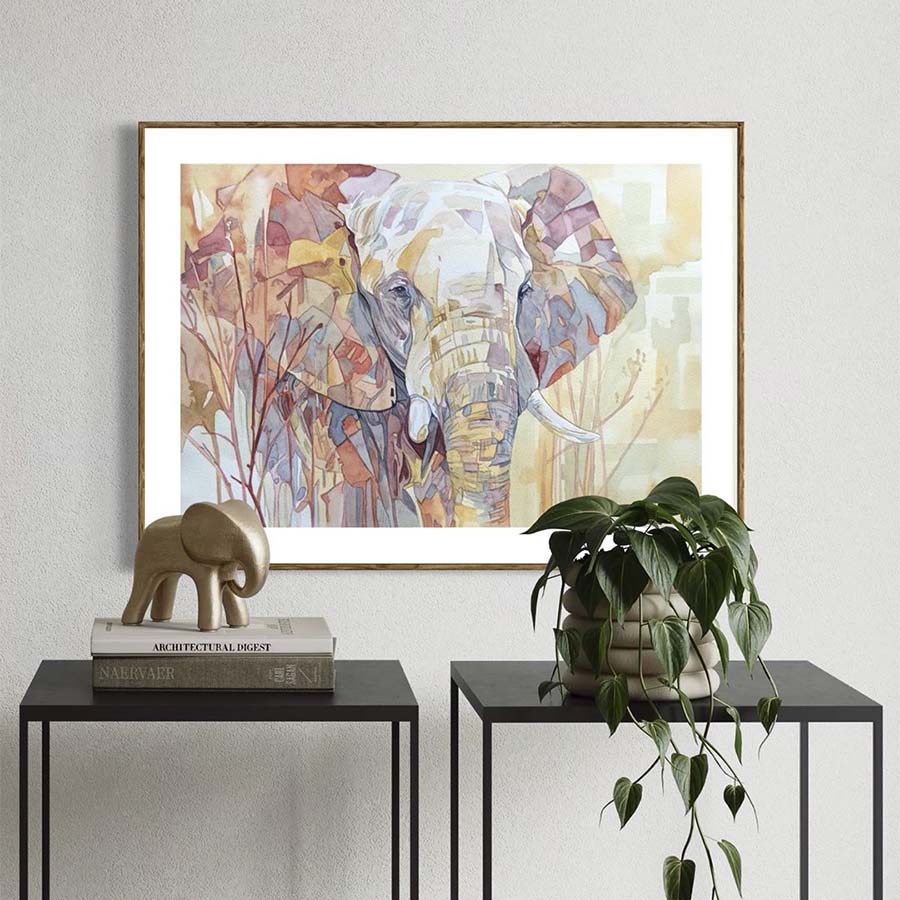
A painting hanging on your wall is more than a decoration; it’s a conversation starter. Guests notice it. Children notice it. Friends and family notice it. Each encounter with the artwork sparks curiosity about the animal, its habitat, and its story.
This ripple effect (awareness through art) is a subtle but powerful form of conservation. When people see the majesty of a lion, the elegance of a leopard, or the fragility of a bird captured in vibrant detail, they are reminded why these creatures must be protected. Art educates without preaching. It inspires empathy where statistics often fail.

4. Emotional Investment Translates to Action
Collectors of wildlife art are often among the most passionate conservationists. Here’s why:
- Owning a painting fosters daily emotional investment in the species depicted.
- This emotional bond encourages responsible behaviour: like supporting eco-tourism, donating to wildlife organizations, or advocating for habitat protection.
- Art becomes a personal reminder of the fragility and beauty of life on Earth, keeping conservation top-of-mind.
By choosing a piece that resonates with you emotionally, you are supporting not only the artist but the broader ecosystem that inspired the work.
5. Abstract Realism: Highlighting Wildness and Vulnerability
Abstract realism is uniquely suited to conservation messaging. By blending recognizable wildlife forms with abstracted elements:
- The viewer is invited to explore the animal’s environment, the subtle threats it faces, or the energy it radiates.
- The combination of realism and abstraction allows the artwork to communicate emotion and urgency, encouraging empathy and reflection.
- Every painting becomes both a celebration and a call to protect.
The art doesn’t just hang quietly; it engages, educates, and inspires.
6. Making Your Purchase Count
When purchasing wildlife art, consider:
- Artist ethos: Does the artist prioritize sustainability and conservation?
- Charitable connections: Are portions of sales directed to wildlife protection or habitat preservation?
- Material sourcing: Are paints, canvases, and frames sourced responsibly?
By paying attention to these factors, your purchase becomes intentional, impactful, and aligned with your values as a nature lover.
Final Thoughts
Wildlife art is a bridge between humans and the natural world. By bringing a piece of the wild into your home, you are not only enriching your space emotionally and aesthetically, but you are also joining a network of advocates for the creatures that inspired it.
Every brushstroke can tell a story of survival, every colour can evoke empathy, and every original canvas purchased thoughtfully can help protect wildlife and their habitats.
When you choose wildlife art with intention, you do more than decorate, you participate in conservation. And in a world where every act of protection counts, that makes your artwork not just beautiful, but profoundly meaningful.