

Many nature lovers fall in love with a painting, only to second-guess themselves:
“Will it fit with my furniture? Do the colours clash with my walls? What if it looks out of place?”
These concerns are completely normal. Art is personal, and when you choose an original piece, you want it to feel like it belongs. The good news? Abstract Realism, especially wildlife art, offers incredible flexibility.
With the right approach, you can confidently select a painting that not only works with your décor but transforms your home into a space of harmony and meaning. Let’s explore how.
1. Think About Mood, instead of matching
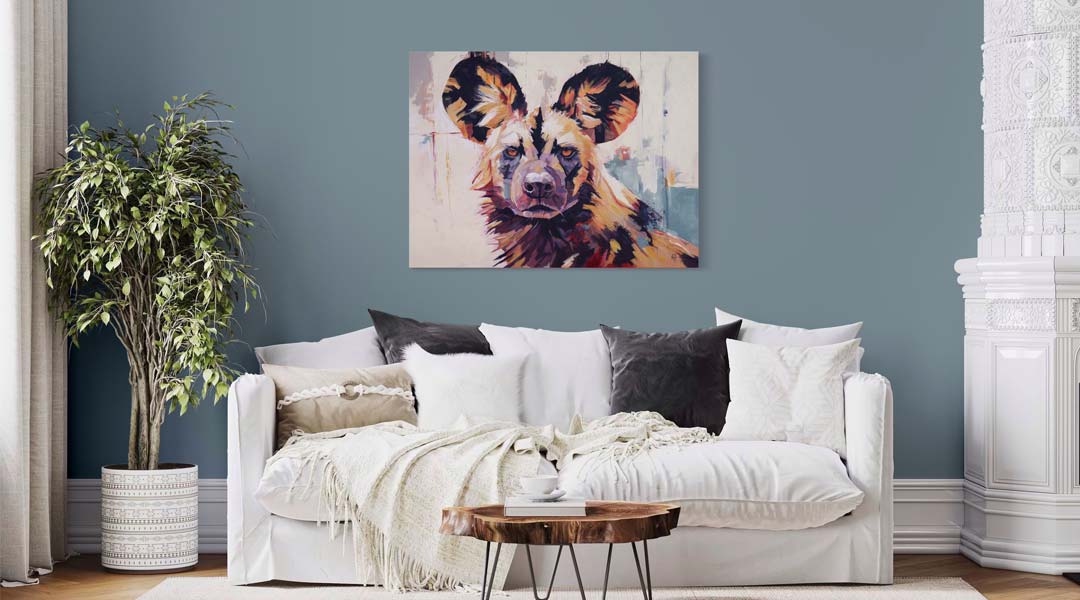
When people ask whether art “matches,” they often think of colour coordination. But true harmony goes deeper than matching tones. Ask yourself: What atmosphere do I want this space to carry?
- Do you want your living room to feel energizing? Bold wildlife paintings with vibrant contrasts can spark conversation and excitement.
- Do you want your bedroom to feel peaceful? Softer tones and gentle brushwork can create a calming sanctuary.
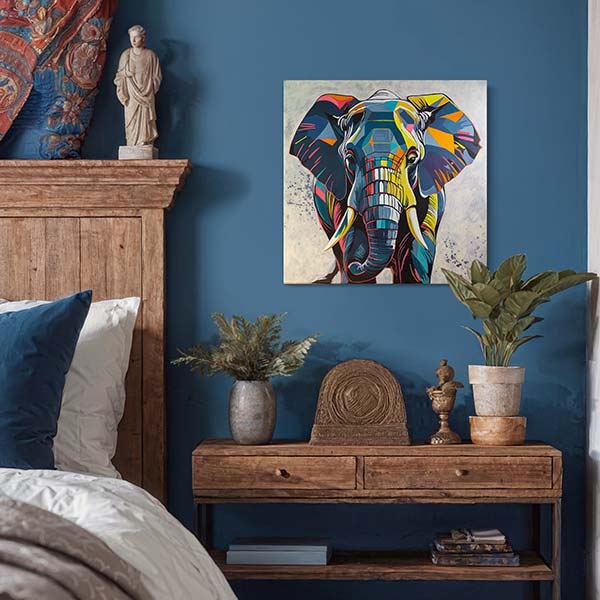
- Do you want your office to feel inspiring? Choose artwork that carries movement - like a charging elephant or a soaring bird. Something that reminds you of strength and possibility.
The mood matters more than the precise colour of your sofa cushions.
2. Use Nature’s Palette as Your Anchor
One of the gifts of wildlife art is that it draws directly from nature’s palette. Earthy neutrals, deep blues, rich greens, and fiery sunsets rarely look out of place in a home because they are timeless.
A practical tip: look at the accents in your space rather than the main colours. For example:
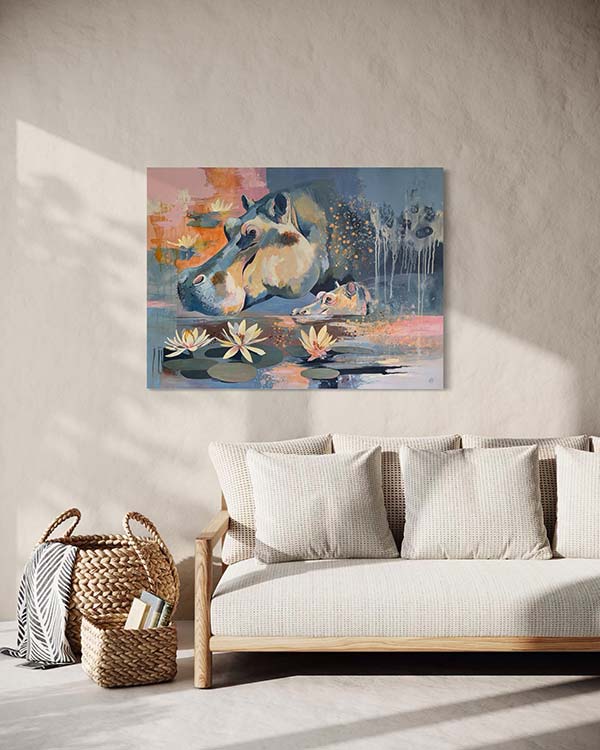
- If your sofa is neutral, pick up on the tones in your throw pillows or rugs and let your artwork echo them.
- If your walls are cool grey, a painting with warmer wildlife tones (like oranges or golds) can create beautiful balance.
- If you already have plants indoors, paintings with natural greens will feel instantly at home.
Nature doesn’t clash, and when your artwork carries its essence, it tends to fit effortlessly.

3. Think in Terms of Focal Points
Sometimes collectors worry that an artwork will “disrupt” their décor. But disruption can be a good thing when it’s intentional.
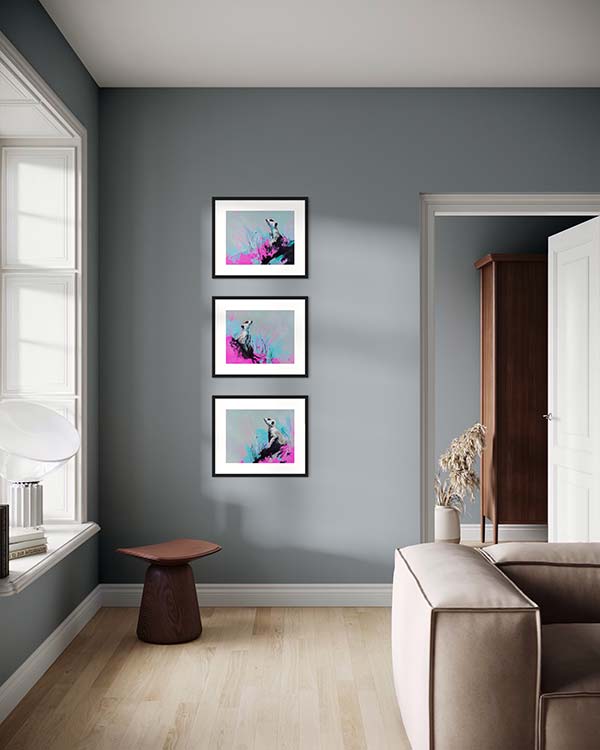
Interior designers often recommend having one focal point per room or a single element that draws the eye. Wildlife art is perfect for this.
A striking piece or collection can anchor the entire space, giving everything else in the room context.
Instead of asking, “Will it match everything else?” consider asking, “Do I want this to be the centrepiece?”
When the answer is yes, the artwork stops needing to blend in and starts defining the space.
4. Play With Scale for Harmony
The size of a painting is just as important as its subject. A small piece can disappear on a large wall, while an oversized canvas might feel overwhelming in a tiny nook.
Here’s a simple method:
- Measure the width of the wall space you want to fill.
- Choose artwork that takes up about two-thirds of that width.
- If you’re placing it above furniture, ensure the bottom of the frame is 15–25 cm above the surface for balance.
Abstract realism often combines bold shapes with delicate detail, making scale especially powerful. A large lion or leopard in abstract realism can add drama, while a medium-sized painting can feel more intimate.
5. Let Story and Symbolism Guide You
Matching décor is practical, but the most meaningful art choices come from connection. Ask yourself:
- Does this piece tell a story I want to live with?
- Does it remind me of an encounter with wildlife, a place I love, or values I hold dear?
When the story resonates with you, it becomes part of your life. And suddenly, the question shifts from “Does it match my room?” to “Does my room now reflect me?”
6. Don’t Forget Lighting
Lighting can completely change how art feels in a room. If your artwork carries deep, dramatic contrasts, spotlighting it with a warm lamp will bring out its richness. If it has cooler tones, natural light during the day may be enough.
Consider placing your wildlife painting where it catches indirect natural light or install a simple picture light above it. This small adjustment can elevate the piece from decoration to presence.
7. Trust Your Choices
Art is emotional. If a painting makes your heart beat faster, if it pulls you closer every time you look, that’s a sign it belongs with you. Décor rules are helpful, but they’re not absolute. Your instincts are the best guide.
Final Thoughts
Choosing wildlife art for your home is not about perfect coordination, it’s about creating harmony between your space, your personality, and your love for nature.
Abstract realism is uniquely suited to this, balancing familiarity with imagination, wildness with elegance.
So next time you find yourself asking, “Will it match my décor?” try to remember: art doesn’t just fit into a room. It shapes it, elevates it, and brings it alive.
When you choose a piece that speaks to both your heart and your home, you’ll never regret the decision.